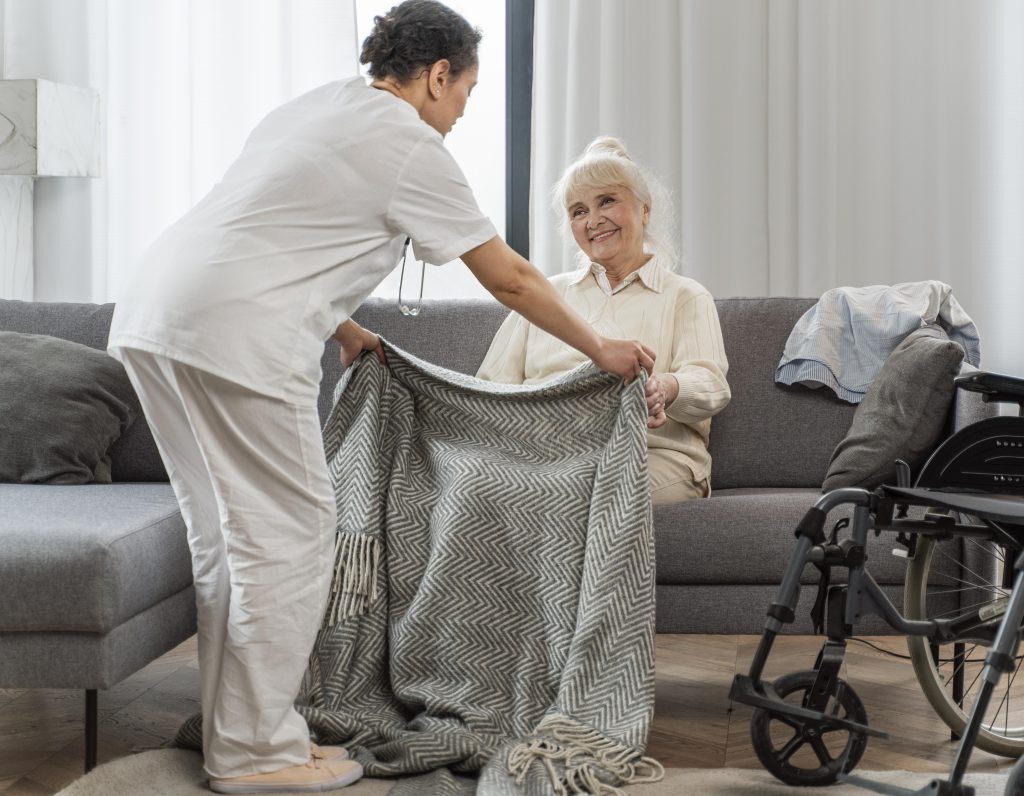
Everyone tells you surgery is the hard part. Fewer people tell you that the two weeks after can be just as hard, just in a quieter way.
No nurses checking in every few hours. No call button. Just you, or someone you love, trying to heal at home while life keeps moving around you. Here’s what those first two weeks actually tend to look like, so you’re not caught off guard.
Days 1 to 3: Harder than expected
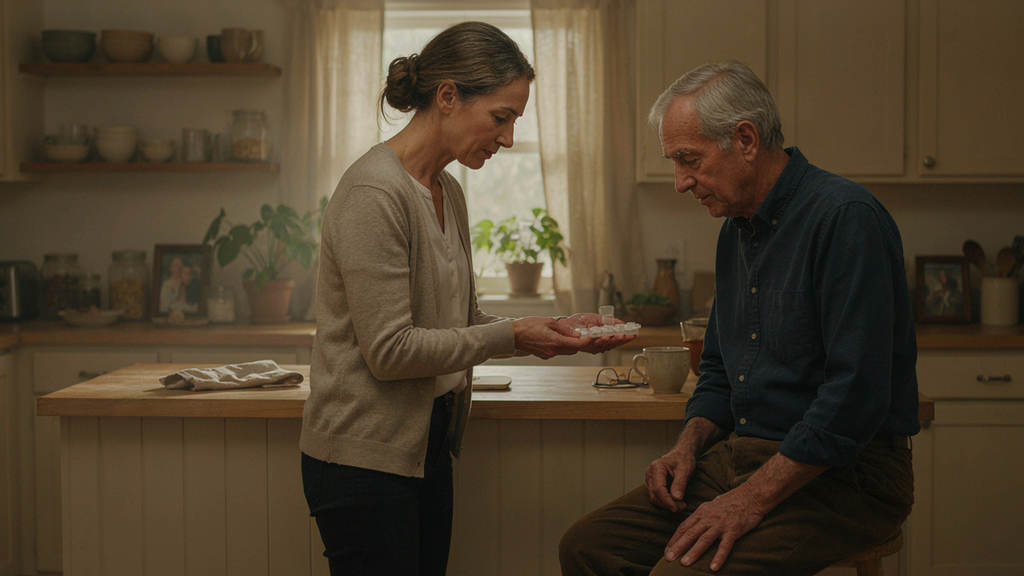
The first few days home are often the roughest, even with pain medication on board. Simple movements, like getting out of bed or walking to the bathroom, can take real effort and real support. Grogginess from anesthesia can linger. Appetite is often low. This is also when the risk of falling is highest, since pain, weakness, and medication side effects are all working against balance at the same time.
Families often expect this part to be manageable with occasional check-ins. In practice, it usually needs someone physically present, especially for the first few nights.
Days 4 to 7: Small wins, real risks
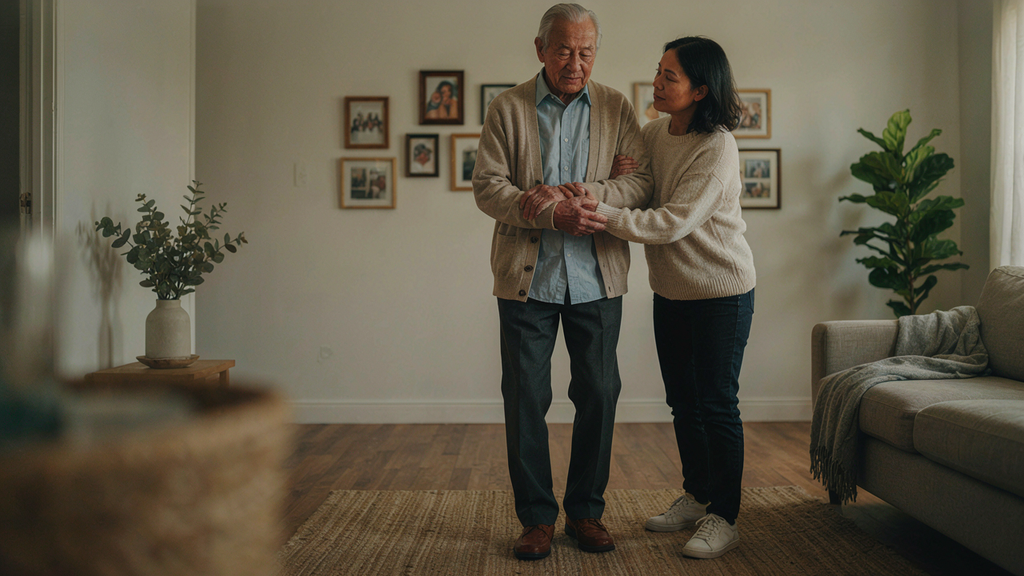
Energy starts to return in short windows. Many people feel a little more like themselves by day 5 or 6. But this is also when overconfidence creeps in. A short walk feels good, so a longer one seems fine too. A missed pain pill doesn’t seem like a big deal, until the pain catches up hours later.
This is also the window where wound issues tend to show up, redness, swelling, warmth, or drainage that wasn’t there before. Catching these early, rather than a few days later, often makes the difference between a quick fix and a trip back to the hospital.
Days 8 to 14: The misleading “better” phase
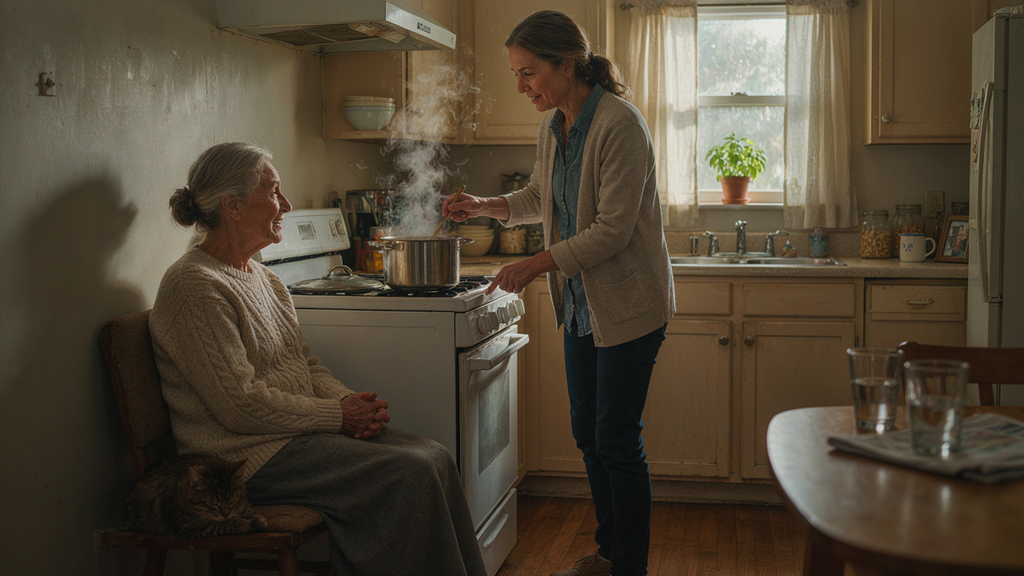
By the second week, pain is usually more manageable and sleep starts improving. This is often when families start pulling back on support, assuming the worst is over. Sometimes that’s true. Often, it’s not.
Internal healing is still very much in progress, even when someone looks and sounds like themselves again. Fatigue can hit suddenly, mid-afternoon, after a morning that felt totally normal. Physical therapy, if prescribed, usually starts ramping up here too, which brings its own soreness and exhaustion.

What families usually get wrong
Most people plan help around the surgery date, not around the actual recovery curve. They arrange a few days of support, then assume things will be fine after that. But the data families actually experience tells a different story. The highest-risk moments for falls, infections, and setbacks often happen after the initial “easy” support window ends, not during it.
What actually helps
Having a trained second set of eyes during these two weeks, someone who notices subtle changes, helps with mobility safely, and keeps medication and wound care on track, changes the entire trajectory of recovery. It’s not about doing everything for the person. It’s about catching the small things before they become big ones.
Earthly Angels Home Care serves families across Jackson, Walton, Hall, Forsyth, DeKalb, Gwinnett, Cobb, Fulton, and surrounding Georgia counties, including long-distance caregivers coordinating care from out of state. If surgery is coming up, or recovery has already started, a free 30-minute consultation can help you map out exactly what support those first two weeks actually need.