As temperatures climb, dehydration becomes one of the most common and most preventable health risks facing older adults. What makes it particularly tricky is that it often develops quietly, without the obvious warning signs you’d expect, until it’s already become a serious problem. Understanding why seniors are more vulnerable, and what actually helps, can make a real difference in keeping your loved one safe and comfortable through the hottest months.
Why Seniors Are More Vulnerable to Dehydration
As people age, the body’s sense of thirst becomes less reliable, meaning a senior can already be significantly dehydrated before they ever feel thirsty enough to reach for a glass of water. This isn’t a matter of forgetfulness or carelessness, it’s a genuine physiological change that makes hydration something that needs to be actively encouraged rather than left to instinct.
Add to that certain medications, chronic health conditions, and mobility limitations, and the picture becomes clearer. A senior who has difficulty getting to the kitchen easily, or who takes a diuretic for blood pressure, faces a meaningfully higher risk of dehydration than someone without those factors.
Recognizing the Signs Before They Become Serious
Dehydration symptoms in seniors can be easy to mistake for something else entirely, which is part of what makes it dangerous. Watch for dry mouth or dry skin, dizziness or lightheadedness, headaches, unusual fatigue, and dark yellow urine. Pale yellow urine generally signals good hydration, so darker coloring is a useful, easy-to-check indicator throughout the day.
Confusion or increased disorientation is one of the more concerning signs, and it’s often mistaken for normal aging, dementia, or simple tiredness when the actual cause is inadequate fluid intake. Even a small amount of fluid loss, as little as one to two percent of body weight, can measurably affect cognitive function in older adults, a threshold that’s easier to reach on a hot day than most people realize.
Simple Ways to Encourage Hydration Throughout the Day
The most effective approach isn’t waiting for your loved one to feel thirsty, it’s building hydration into the rhythm of the day. Offering a glass of water with every meal and alongside medication times creates a natural, easy-to-remember routine. Keeping a water bottle within easy reach, especially for a senior with mobility limitations, removes one more barrier to staying hydrated.
If plain water isn’t appealing, infused water with fruit, herbal tea, or electrolyte-rich drinks can help just as effectively. High water-content foods like watermelon, cucumber, berries, and soups also contribute meaningfully to daily fluid intake, and can be an easier sell than another glass of water for someone who’s simply lost interest in drinking throughout the day.
Adjusting for Hot Weather Specifically
During particularly hot days, a few extra precautions go a long way. Try to keep outdoor activity to the cooler parts of the day, generally before 10 a.m. or after the late afternoon, since midday heat puts the most strain on the body. Light, breathable clothing and time spent in shaded or air-conditioned spaces both help reduce fluid loss through sweating. It’s also worth limiting caffeine and alcohol on hot days specifically, since both can increase fluid loss at exactly the time the body needs to retain more of it.
When to Seek Medical Attention
Most dehydration can be managed at home with fluids and rest, but some symptoms warrant immediate medical attention. If your loved one is unable to urinate, experiencing a rapid heartbeat or rapid breathing, showing sudden confusion, or fainting, these are signs of a more serious situation that needs prompt medical care rather than home management.
How Regular Support Helps Prevent Dehydration
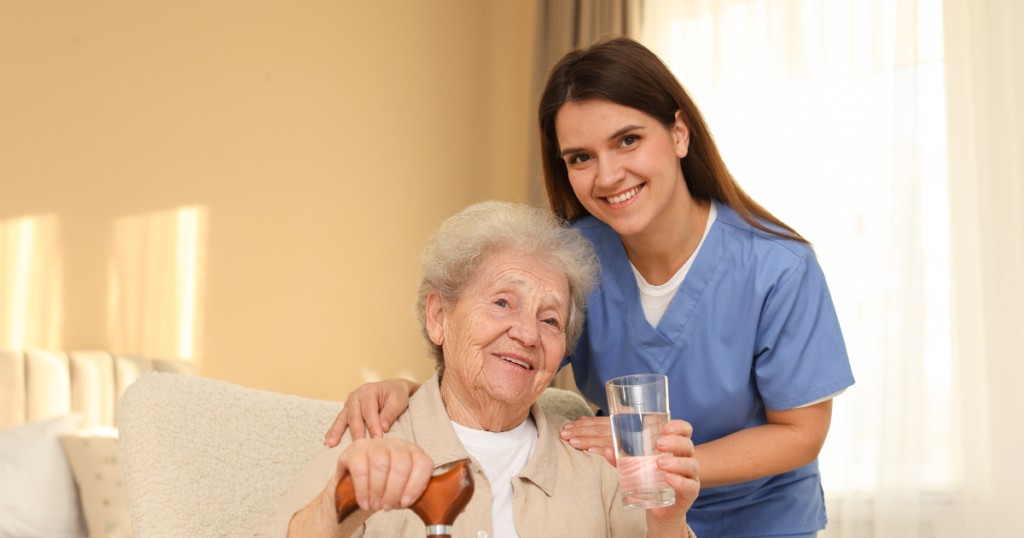
For seniors living alone, dehydration can go unnoticed simply because there’s no one checking in regularly to encourage fluids or notice early warning signs. A consistent, familiar presence in the home makes a genuine difference here, someone who offers water throughout the day as a matter of routine, prepares hydrating meals, and can recognize the subtle early signs of trouble before they become an emergency.
At Earthly Angels Home Care, our caregivers build hydration and wellness checks into every visit, especially during the summer months when the risk is highest. Reach out to schedule a free consultation, and let’s build a personalized care plan that keeps your loved one safe, comfortable, and well cared for all season long.