
Falls are the leading cause of injury among older adults, and they’re also one of the most preventable. As a family, you don’t need to overhaul your loved one’s entire home overnight to make a real difference. A few targeted changes, made together and with your loved one’s input, can dramatically reduce fall risk while keeping them feeling capable and in control of their own space. Here’s a family-focused guide to fall prevention that puts safety and dignity side by side.
Start the Conversation the Right Way
Before you touch a single rug or light fixture, it helps to talk with your loved one about fall prevention as a team effort rather than something being done to them. Falls can feel like a loaded topic, tied up with fears about losing independence. Framing the conversation around staying safe and staying home, rather than around limitations, tends to go over much better.
Ask what concerns they already have. Many seniors are more aware of their own balance changes than families realize, they just haven’t said anything out loud. Starting from their perspective makes the rest of the process feel collaborative instead of imposed.
Walk Through Every Room Together
The most effective fall prevention comes from a room-by-room walkthrough, ideally done together so your loved one can point out spots that already feel unsteady to them.
In the bathroom, look at grab bars near the toilet, tub, and shower, along with non-slip mats and a shower chair if standing for long periods has become tiring. In the bedroom, check that the path to the bathroom is completely clear and well lit, since nighttime trips are one of the most common times for falls to happen. In the kitchen, make sure frequently used items are within easy reach so there’s no need to climb or overreach on a step stool. And throughout the home, look closely at flooring: loose rugs, exposed cords, and cluttered walkways are some of the easiest hazards to fix and among the most common causes of falls.
Lighting Is a Bigger Deal Than It Seems
Poor lighting is one of the most overlooked fall risks in a senior’s home. As eyesight changes with age, spaces that used to feel adequately lit can become genuinely hard to navigate safely, especially at night. Motion-sensor nightlights along the path from bedroom to bathroom, brighter bulbs throughout the house, and switches that are easy to reach can meaningfully reduce risk without requiring any major renovation.
Address Footwear and Mobility Together
Fall prevention isn’t only about the home environment, it’s also about how your loved one moves through it. Loose-fitting slippers, worn-out shoe soles, or walking in socks on hardwood floors all increase fall risk. If your loved one uses a cane or walker, check that it’s the right height and that they’re using it consistently, not just when they remember to.
If balance or strength has changed noticeably, a physical therapy evaluation can be genuinely worthwhile. A therapist can assess specific risk factors and recommend targeted exercises to help rebuild stability, something that makes a real, measurable difference over time.
Consider a Medical Alert System
Even with every precaution in place, having a way to call for help matters. A medical alert system, whether it’s a wearable pendant or a home-based device, gives your loved one a direct line to assistance if a fall does happen, and it gives your family real peace of mind. Many seniors resist the idea at first, worried it signals frailty, but framing it as a safety net rather than a limitation can help ease that resistance.
Know That Fall Risk Changes Over Time
A home that’s safe today might need another look in six months or a year, since mobility, vision, and balance can shift gradually. Building fall prevention into a regular family check-in, rather than a one-time project, helps you catch new risks before they lead to an injury. This is also where a professional caregiver adds real value: a consistent, trained presence in the home who can notice small changes in gait or balance that a family member visiting occasionally might miss.
When Extra Support Makes the Biggest Difference
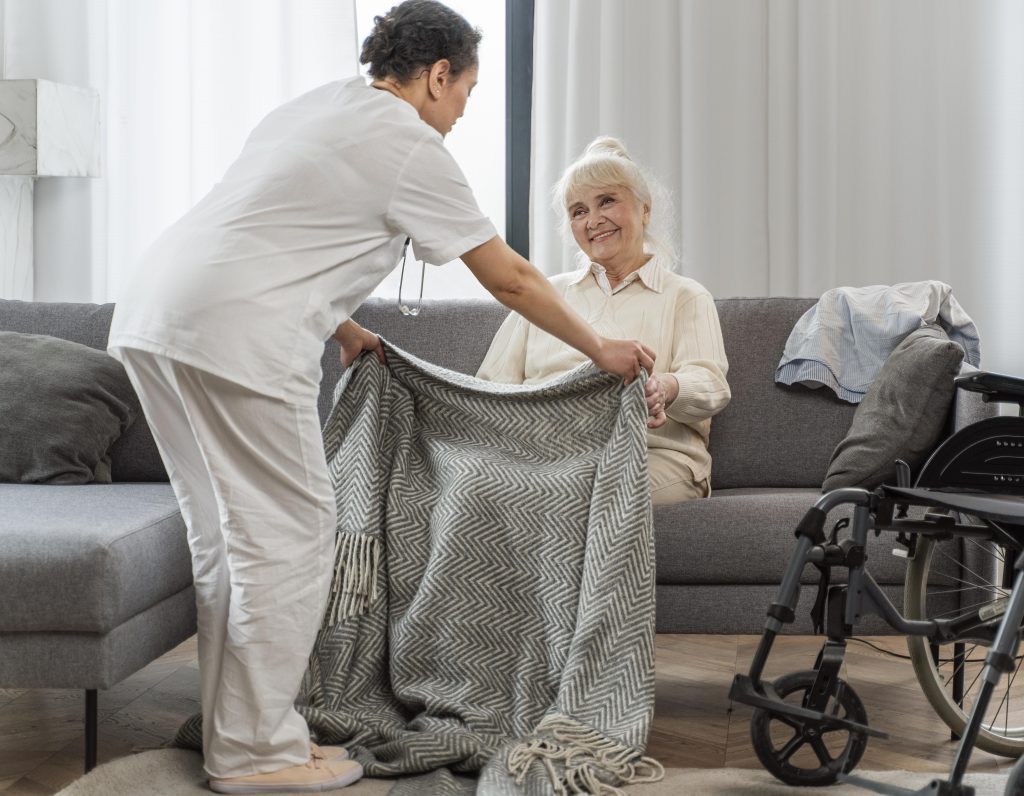
For many families, fall prevention modifications go a long way, but they aren’t the whole picture. A caregiver in the home can provide hands-on support with mobility, help maintain a safe and clutter-free environment day to day, and offer the kind of steady presence that catches small issues before they become emergencies.
At Earthly Angels Home Care, we build personalized care plans that include fall prevention support tailored to your loved one’s specific needs and home environment. Reach out to schedule a free consultation, and let’s work together to build a safer home and a care plan your whole family can feel confident in.